

England Nhs
Ajouter un avis SuivezVue d'ensemble
-
Date de création novembre 2, 1968
-
Secteur Controle de gestion / Audit
-
Offres d'emploi 0
-
Consultés 716
Company Description
NHS: A Universal Embrace

In the sterile corridors of Birmingham Women’s and Children’s NHS Foundation Trust, a young man named James Stokes navigates his daily responsibilities with subtle confidence. His smart shoes move with deliberate precision as he acknowledges colleagues—some by name, others with the familiar currency of a « hello there. »
James carries his identification not merely as an employee badge but as a testament of inclusion. It hangs against a neatly presented outfit that betrays nothing of the tumultuous journey that preceded his arrival.
What distinguishes James from many of his colleagues is not obvious to the casual observer. His demeanor reveals nothing of the fact that he was among the first participants of the NHS Universal Family Programme—an initiative crafted intentionally for young people who have been through the care system.
« It felt like the NHS was putting its arm around me, » James explains, his voice steady but carrying undertones of feeling. His observation encapsulates the essence of a programme that strives to transform how the vast healthcare system views care leavers—those vulnerable young people aged 16-25 who have transitioned from the care system.
The figures paint a stark picture. Care leavers commonly experience poorer mental health outcomes, economic uncertainty, shelter insecurities, and lower academic success compared to their peers. Beneath these cold statistics are human stories of young people who have navigated a system that, despite genuine attempts, frequently fails in delivering the nurturing environment that shapes most young lives.
The NHS Universal Family Programme, initiated in January 2023 following NHS England’s promise to the Care Leaver Covenant, signifies a substantial transformation in systemic approach. Fundamentally, it accepts that the complete state and civil society should function as a « collective parent » for those who have missed out on the stability of a typical domestic environment.
Ten pathfinder integrated care boards across England have led the way, creating frameworks that reimagine how the NHS—one of Europe’s largest employers—can extend opportunities to care leavers.
The Programme is meticulous in its approach, starting from thorough assessments of existing practices, creating management frameworks, and securing senior buy-in. It recognizes that meaningful participation requires more than good intentions—it demands practical measures.
In NHS Birmingham and Solihull ICB, where James began his journey, they’ve created a regular internal communication network with representatives who can deliver support, advice, and guidance on wellbeing, HR matters, recruitment, and equality, diversity, and inclusion.
The standard NHS recruitment process—structured and possibly overwhelming—has been thoughtfully adapted. Job advertisements now emphasize personal qualities rather than long lists of credentials. Application processes have been reconsidered to consider the particular difficulties care leavers might experience—from not having work-related contacts to struggling with internet access.
Maybe most importantly, the Programme acknowledges that beginning employment can create specific difficulties for care leavers who may be handling self-sufficiency without the support of familial aid. Matters like transportation costs, personal documentation, and banking arrangements—taken for granted by many—can become significant barriers.
The elegance of the Programme lies in its thorough planning—from clarifying salary details to offering travel loans until that essential first payday. Even apparently small matters like rest periods and office etiquette are thoughtfully covered.
For James, whose NHS journey has « changed » his life, the Programme delivered more than employment. It offered him a sense of belonging—that ineffable quality that emerges when someone feels valued not despite their history but because their particular journey enhances the organization.
« Working for the NHS isn’t just about doctors and nurses, » James notes, his expression revealing the subtle satisfaction of someone who has found his place. « It’s about a family of different jobs and roles, a family of people who genuinely care. »
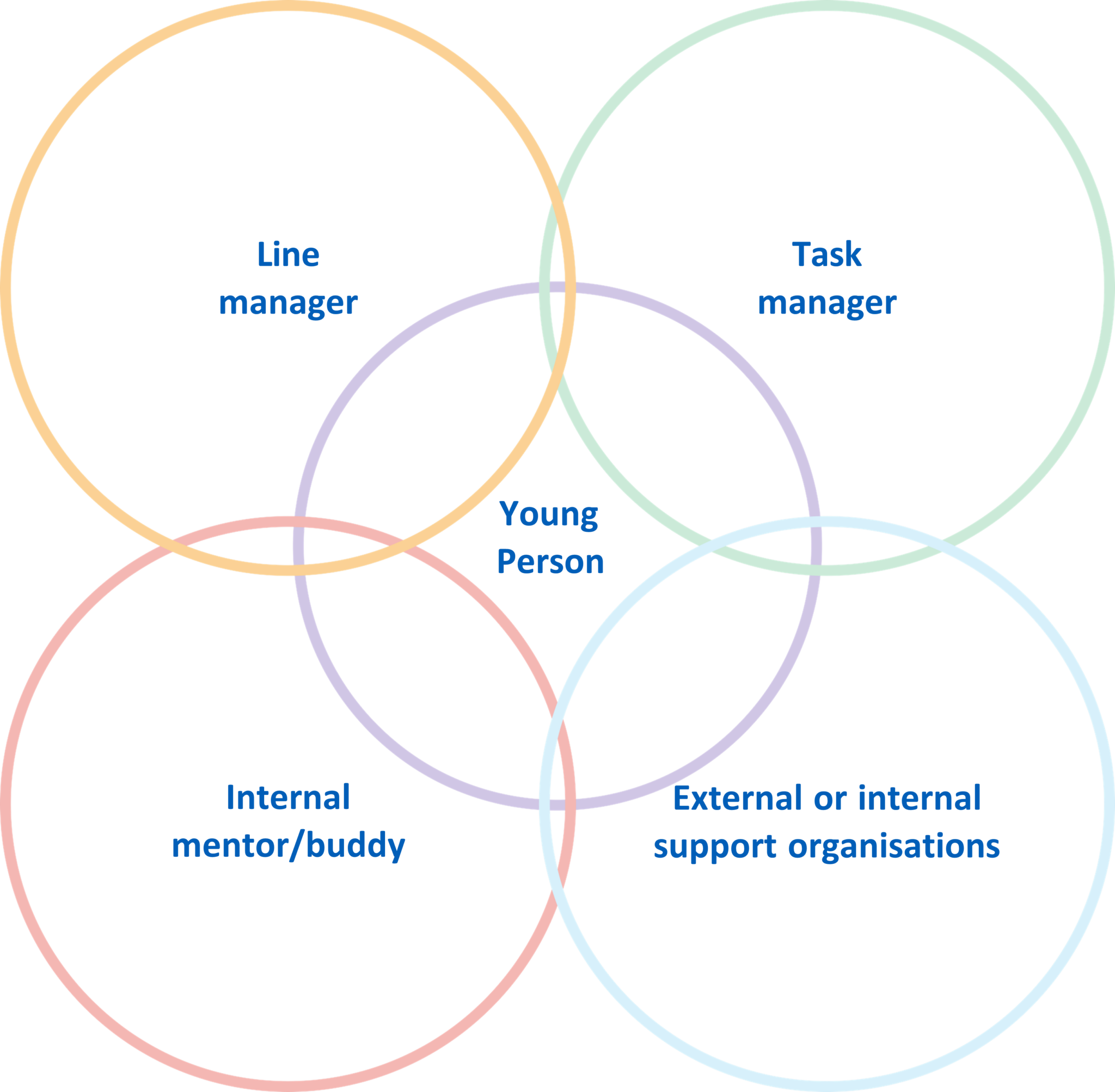
The NHS Universal Family Programme represents more than an job scheme. It exists as a bold declaration that organizations can change to embrace those who have known different challenges. In doing so, they not only alter individual futures but improve their services through the distinct viewpoints that care leavers provide.
As James walks the corridors, his involvement subtly proves that with the right support, care leavers can succeed in environments once thought inaccessible. The embrace that the NHS has provided through this Programme symbolizes not charity but acknowledgment of untapped potential and the essential fact that all people merit a community that champions their success.